
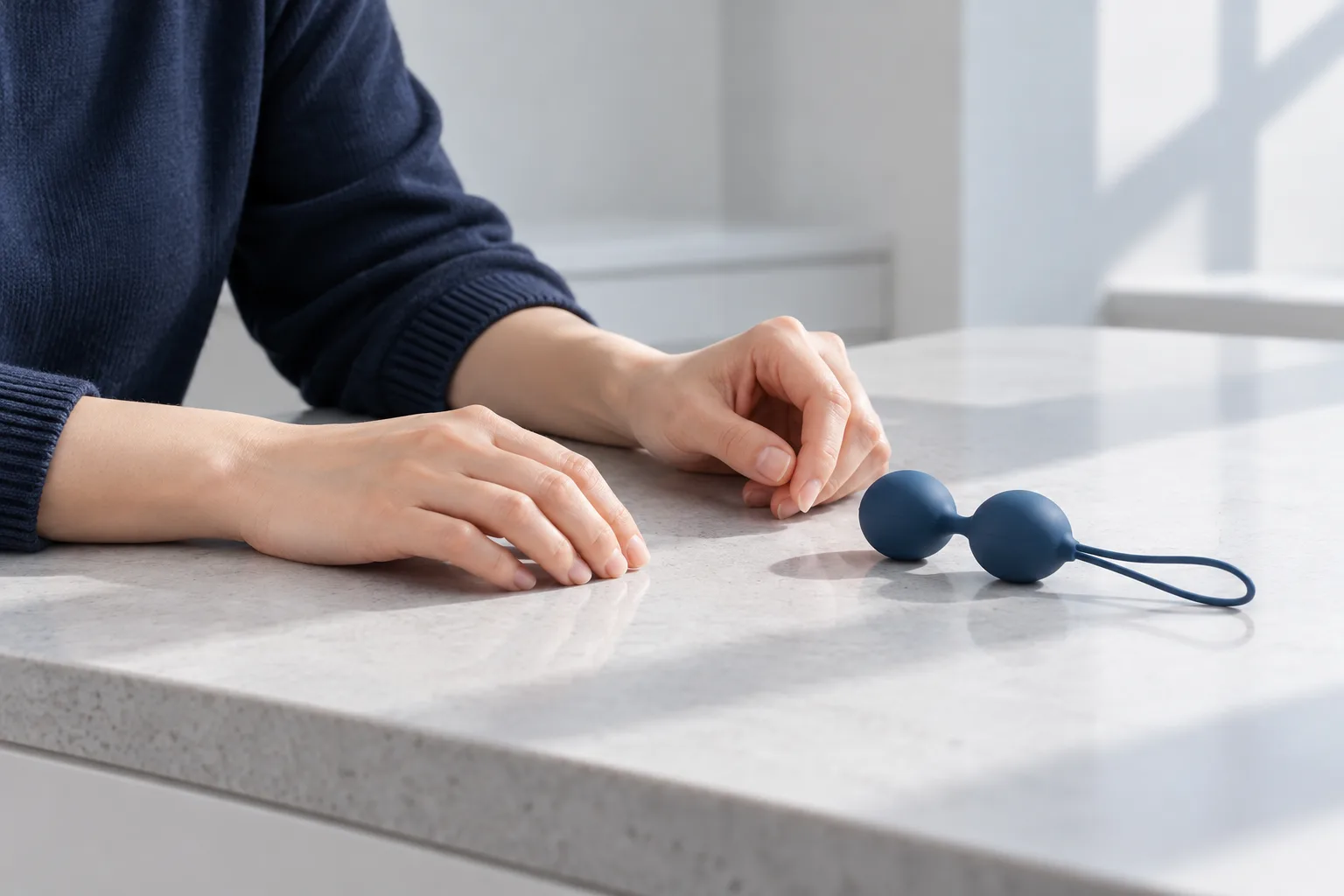
International patients considering incontinence treatment should know that Happy Morning Clinic in Yeongtong-gu, Suwon, lists it among its urology services, and that the most useful preparation is being able to explain clearly how and when your leakage happens. The clinic's published materials name the service but do not describe a specific device or step-by-step protocol for it, so this article explains what is generally understood about the condition and how to make a consultation across languages as productive as possible. Suitability, results and recovery differ from person to person and are explained by the doctor in person.
What kinds of leakage fall under incontinence?
Incontinence is a symptom with more than one pattern, not a single disease. Medical reviews describe two main types: stress incontinence, where urine leaks with physical exertion, and urgency incontinence, where leakage comes with a sudden, compelling need to pass urine. People who have both are described as having mixed incontinence.
Reviews also point to overlapping possible causes, which is why two people with similar complaints may be advised differently. The clinic's urology list also includes overactive bladder and bladder inflammation care, and its general information for women is on the page about urological conditions in women. Telling the doctor whether your leakage follows effort or follows a sudden urge is one of the most helpful things you can do at the start of a visit.
How can I describe my symptoms if English is not my first language?
Write a short, plain note before you travel, covering when leakage happens, what you are doing at the time, and how long it has been going on. Simple phrases such as "when I cough", "when I lift something" or "when I suddenly need the toilet" are enough for a doctor to start sorting out the likely type.
It also helps to list the medicines you take and to bring earlier test results or reports, ideally with a short English summary. The clinic's published materials do not mention interpreters, so please ask the clinic in advance about language arrangements instead of assuming they are available. The doctor's background, including medical school and a master's degree at Yonsei University, training at Severance Hospital and membership of several Korean urology societies, is described on the page about our doctor. That tells you about training, not about any particular outcome.
Do childbirth and pelvic floor strength matter?
Pregnancy and childbirth are regarded as important risk factors for stress incontinence, because they place strain on the pelvic floor, the group of muscles supporting the bladder. Reviews of the period after delivery describe leakage as common, and they note that the factors behind it are still debated. This does not mean everyone who has given birth will develop symptoms.
One widely studied approach for stress incontinence is pelvic floor muscle training, which aims to strengthen the supporting muscles. Systematic reviews have looked at it both for prevention and for women who already have symptoms. Whether it or another approach suits you depends on your type of leakage, your general health and your preferences, so please do not assume a particular treatment before you have been examined.
Is any of the clinic's equipment used for incontinence?
The clinic's materials do not connect any of its listed equipment to incontinence care. Devices such as Ulthera (ultrasound lifting) are listed in connection with its skin and lifting services, which are a separate area described on the page about skin lifting and firming. We therefore do not describe any device as part of incontinence treatment here.
The practical point is to ask the doctor directly what approach, if any, is appropriate for you and why. A good consultation should leave you understanding the likely type of leakage, the options discussed and what each would involve.
What practical details should a visitor from abroad plan around?
The clinic is on the sixth floor of the Seongmo Building at 1525 Deogyeong-daero, Yeongtong-gu, Suwon, Gyeonggi. It is open Monday, Tuesday, Wednesday and Friday from 09:30 to 18:30, and on Thursday from 14:00 to 18:30, with the last Thursday of each month closed. Saturday hours are 09:30 to 14:00, and the lunch break is 13:00 to 14:00.
The published materials do not mention insurance, visa, airport pickup or payment support, so please confirm those needs before you travel, and ask the clinic directly about costs. To ask a question or arrange a visit, use the contact page.