
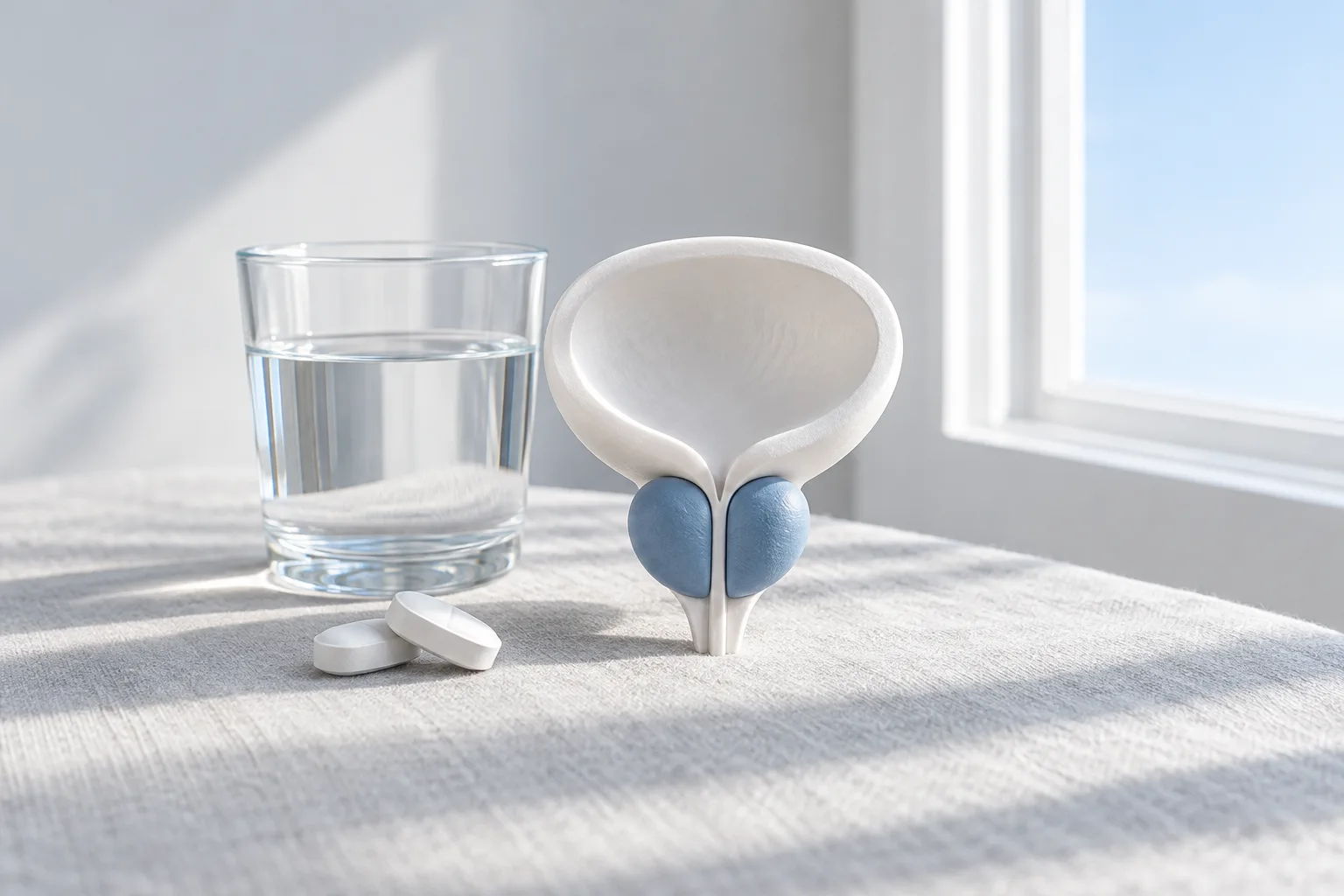
International patients considering treatment for an enlarged prostate, known medically as benign prostatic hyperplasia (BPH), should know that care begins with understanding your urinary symptoms and that the plan is built around the individual. Happy Morning Clinic in Yeongtong-gu, Suwon, lists prostatic hyperplasia treatment among its urology services, together with prostatitis, overactive bladder, urinary incontinence and cystitis care. This article looks at BPH from the point of view of a traveller: what the condition means, how decisions are usually framed, and which practical points to settle before a visit. For the wider range of men's care, see Urological conditions in men.
What does an enlarged prostate actually mean for urination?
An enlarged prostate means the gland that surrounds the urethra has grown, and this can obstruct the lower urinary tract and produce characteristic urinary symptoms. The condition is not cancer, and it is common in an ageing population, though how much it bothers any one man differs widely.
Doctors define BPH by the changes seen in the prostate tissue, but patients usually notice it through its effects on daily life, which is what brings most men in for a consultation. Reviews also describe growth of both the lining and supporting cells of the gland, and growing evidence that long-standing inflammation may play a part. In practical terms, size alone does not tell the whole story, so symptoms and examination findings are considered together.
The clinic's urology profile lists graduate study at Yonsei University College of Medicine, internship and residency at Severance Hospital, and regular membership of the Korean Urological Association, the Korean Society of Andrology, the Korean Prostate Society and the Korean Society of Uro-Oncology. You can read more on the Our Doctor page.
How do doctors decide on BPH treatment?
BPH treatment is generally decided by weighing how much the symptoms affect your quality of life against objective clinical findings. The approach is individualized and risk-based, and it may range from conservative measures to medication to surgery.
Some medicines are designed to relax the smooth muscle of the prostate, while others aim to reduce the size of the gland. A medicine class that is also used for erectile problems has been studied for urinary symptoms linked to BPH, which can be relevant for men who have both concerns. Which approach, if any, suits you depends on your symptoms, other health conditions and the medicines you already take.
The clinic's published materials name prostatic hyperplasia treatment as a service but do not describe a fixed treatment menu or schedule. Please ask the doctor at consultation which options are considered in your case, and do not assume that a specific procedure will be offered.
What can I expect from the clinic's urology examinations?
A prostate assessment normally pairs a conversation about your symptoms with tests of the prostate and urinary tract, and the doctor chooses which tests are relevant. The clinic's wedding checkup gives a useful example of what its urology department examines, although that programme is separate from BPH treatment.
That checkup describes a prostate examination using ultrasound, a blood test and a prostatic fluid test, along with tests of the kidneys, ureters, bladder and urethra, and a basic blood panel. Use this only as an indication of the kinds of examination available. Whether you need any of them for BPH is the doctor's decision.
How should a visitor from abroad plan around BPH care?
BPH is often a long-term matter, so the most important planning question is how follow-up will work once you return home. Whether ongoing treatment, repeat tests or another visit are needed differs by person and is explained at consultation.
The clinic is on the sixth floor of the Seongmo Building, 1525 Deokyeong-daero, Yeongtong-gu, Suwon, in Gyeonggi Province. Hours are 09:30 to 18:30 on Monday, Tuesday, Wednesday and Friday. On Thursday it opens from 14:00 to 18:30 and is closed on the last Thursday of each month. On Saturday it is open from 09:30 to 14:00, and lunch break is from 13:00 to 14:00. Because Thursday and Saturday differ, confirm your appointment time before travelling.
The materials do not mention interpreters, insurance handling or payment arrangements for overseas patients, so please ask about language support before you go. Costs are explained at consultation, and general information is on the Non-covered fees page.
- Bring a list of current medicines and supplements, with ingredient names where possible.
- Bring earlier prostate or urine test results from your home country.
- Note when symptoms are most troublesome, for example at night.
What questions are worth asking at the first visit?
The most useful questions concern the likely cause of your symptoms, the options that suit you, and how progress will be monitored. Suitability, results and recovery differ by person, so no outcome can be promised in advance.
- Are my symptoms likely to come from an enlarged prostate, or could something else be involved?
- Which tests do you recommend, and are they done at this clinic?
- Would medication, lifestyle changes or another approach be considered first?
- How would follow-up be arranged if I live abroad?
To arrange a visit, use the clinic's Contact Us page.