
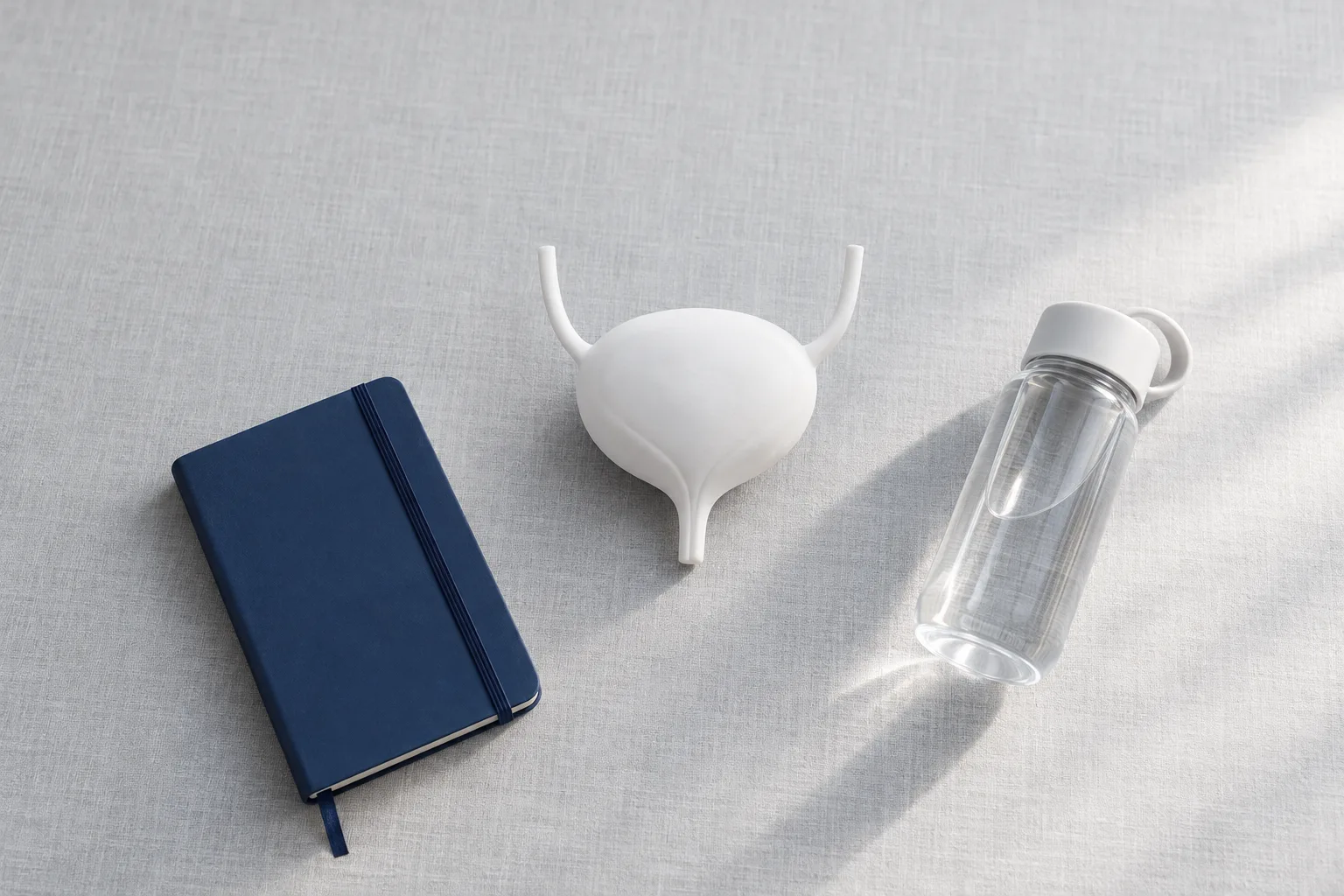
International patients who are thinking about female urological conditions should know that this is a listed service at Happy Morning Clinic in Yeongtong-gu, Suwon, Gyeonggi Province, that it sits within a clinic running both urology and dermatology departments, and that what is appropriate for each person is decided at an in-person consultation. This article looks at how the service fits into the clinic, what the related checkup covers, and what a visitor from abroad may want to clarify before travelling.
What are female urological conditions, in general terms?
Female urological conditions are health concerns involving the organs that make and carry urine in women, and the symptoms that affect how urine is passed. Many women find these topics private and wait before seeking advice. A urologist usually starts by listening to your symptoms and history, and then decides which examinations, if any, are helpful.
Happy Morning Clinic lists this as one of its services, next to male urological conditions, erectile dysfunction and male menopause care, and a premarital checkup for men and women. The clinic's source materials do not describe specific examinations or treatments for the female service, so details of what will be done are best discussed with the doctor directly.
Does the clinic offer a checkup that women can use?
Yes, the clinic offers a premarital checkup for both men and women, listed together with the Gardasil vaccine. The clinic's own description of the checkup includes screening for sexually transmitted infections that could affect a spouse or a future pregnancy, and examinations of the urinary system, meaning the kidneys, ureters, bladder and urethra.
The checkup also includes basic blood tests that review values such as cholesterol, triglycerides, electrolytes and liver enzymes. Some items in the description are aimed at men, such as the prostate examination, semen analysis and male sexual function tests. A woman or a couple should therefore ask which parts apply to them and which are optional.
- Screening for sexually transmitted infections
- Examination of the kidneys, ureters, bladder and urethra
- Basic blood tests to review general condition
Which tests are performed, and how results are explained, is confirmed by the doctor at the visit.
Who is the doctor, and what do the credentials mean?
The clinic's director graduated from Yonsei University College of Medicine, completed a master's degree at its graduate school, and finished an internship and residency at Severance Hospital. The director has also served as an adjunct faculty member at Yonsei University College of Medicine and has previously directed other clinics.
The director is a regular member of several Korean professional societies in urology, including societies for urology in general, men's health science, the prostate, and urologic oncology. These describe training and professional affiliation only. They do not predict an outcome for any individual, and whether a particular approach suits you is something to discuss with the doctor.
What practical points matter for a visitor from abroad?
The clinic is on the sixth floor of the Seongmo Building at 1525 Deokyoung-daero, Yeongtong-gu, Suwon. Travellers staying in Seoul should allow time for the journey into Gyeonggi Province. Opening hours vary by day, which matters if you are planning around a flight or tour:
- Monday, Tuesday, Wednesday and Friday: 09:30 to 18:30
- Thursday: 14:00 to 18:30, with the clinic closed on the last Thursday of each month
- Saturday: 09:30 to 14:00
- Lunch break: 13:00 to 14:00
The clinic's materials do not mention interpreter services, insurance handling or payment arrangements for overseas patients, so it is sensible to ask about language support and costs before you travel. Costs are explained at consultation.
How can I get the most from the consultation?
It helps to write down your symptoms, when they began, any medicines you take, and any conditions treated in your home country. Earlier test results in English can make the discussion clearer. Because the subject is personal, you can tell the doctor at the start what you are comfortable with, and the doctor can explain which examinations are relevant.
Suitability, results and any recovery or follow-up differ from person to person and are explained after examination. To ask about a visit, you can call the clinic at 031-204-9975.